Author: Shantha · Last updated: 3 October 2026
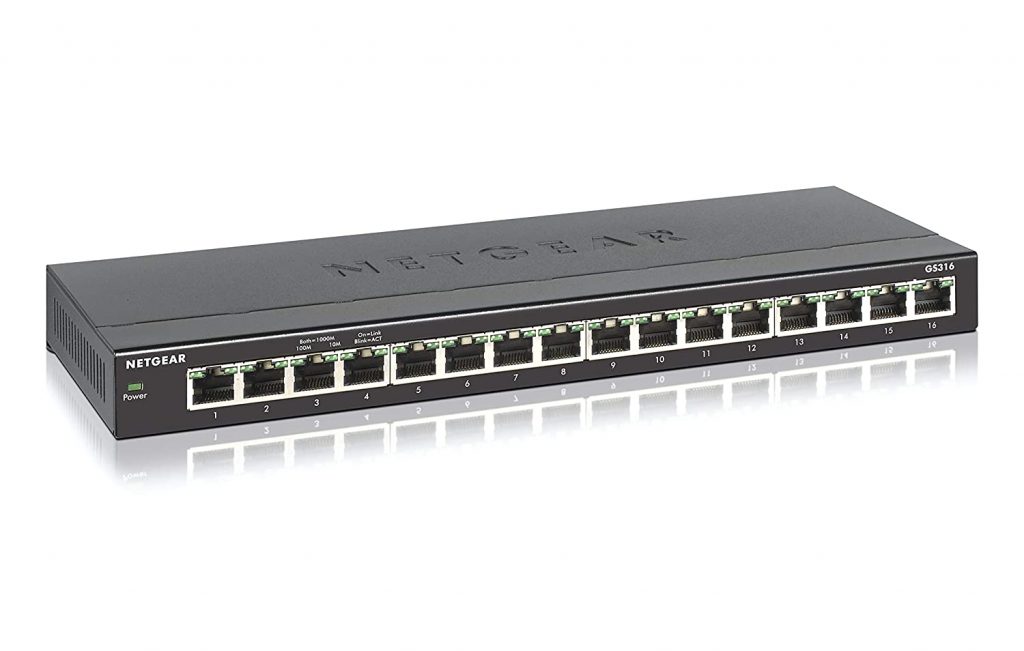
A gigabit switch buying guide should compare port count, uplinks, PoE requirements and management features with the network design.
Gigabit switch: How do I choose a gigabit network switch?
Choose a gigabit switch by counting the devices and uplinks you need, then decide whether you need management features, Power over Ethernet, or fibre uplinks. Match the port type and PoE budget to the equipment, and leave room for growth.
For more information, see the linked published guide. Confirm current models, pricing, stock and warranty with Richcom before ordering.
How many ports should a switch have?
Count the devices that will connect now, including access points, printers, servers and uplinks. Add spare ports for near-term growth and confirm whether uplinks consume regular ports or have dedicated interfaces.
Do I need a managed or unmanaged switch?
An unmanaged switch suits a basic network where plug-and-play connectivity is enough. Managed models can provide controls such as VLANs, monitoring and traffic prioritization; verify the specific model’s feature set before selecting it.
When should I choose PoE or SFP ports?
Choose PoE when the switch must power compatible access points, phones or cameras, and check the total PoE budget against device requirements. Choose SFP uplinks when the network design calls for fibre or longer-distance links.
For advice based on your exact model and requirements, contact Richcom Technology or email [email protected].
Frequently asked questions
It can suit networks with gigabit Ethernet devices, provided port count, uplink type and features fit the installation.
No. Confirm the PoE standard, per-port power and total switch budget against the powered device requirements.
That depends on the model and package. Check the product specification and quotation for included modules and compatible fibre type.
Choose one if you need features such as VLANs, monitoring or traffic controls. For simple connectivity, an unmanaged model may be sufficient.
Complete your network installation
Network Patch Cords · SFP and SFP+ Compatibility Guide · PoE Power Budget Guide · Structured Cabling Buying Guide
Check port interfaces and module compatibility before selecting uplink accessories.